For families
Arranging a hearing test for your parent
Find out how to suggest a hearing test without causing friction, what the appointment involves, why going along helps, and what details to include so the audiologist can plan properly.
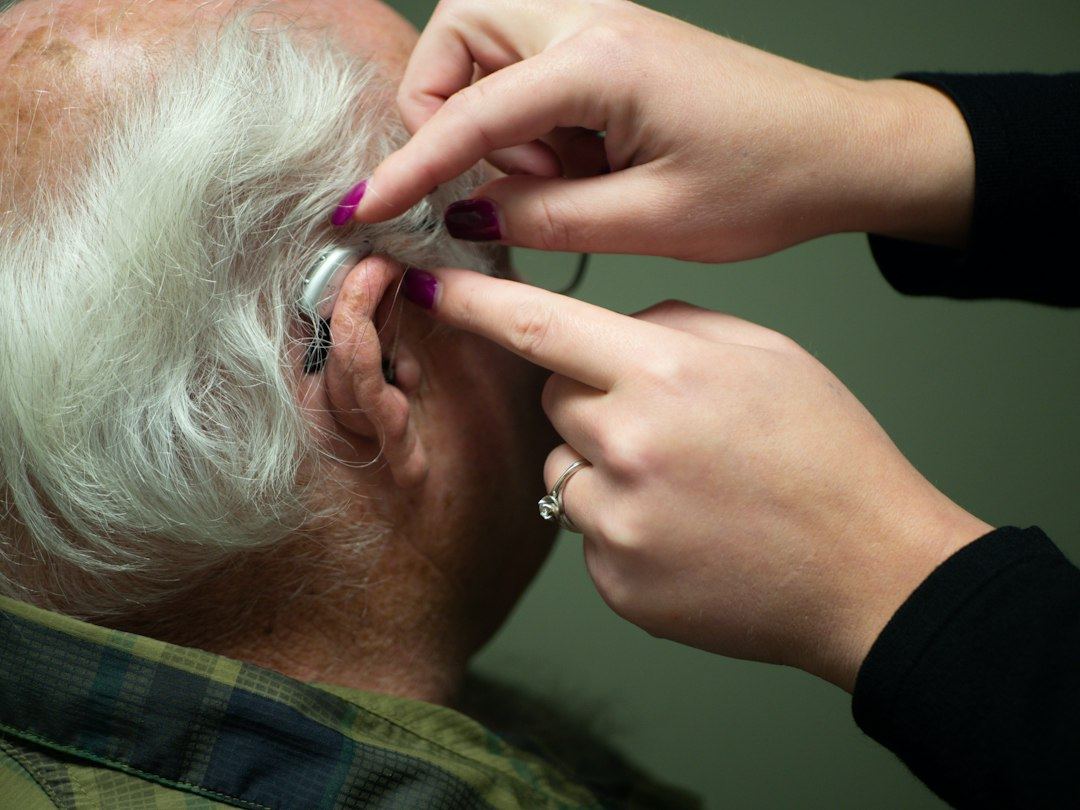
Bringing up the subject without starting an argument
Telling someone they cannot hear is rarely received well. Parents who have spent decades looking after you may bristle at the reversal. So approach it sideways.
Mention something specific rather than making a general claim. Say you noticed them asking people to repeat themselves on the phone, or that the television volume has crept up over the past few months. Keep it factual. Avoid words like "struggling" or "problem" if you know they will cause offence.
Frame the appointment as routine maintenance. People accept eye tests and dental check-ups because they are normal parts of getting older. A hearing test works the same way. Suggesting you go together for yours can remove the spotlight from them entirely.
If they refuse, leave it alone for a week or two. Bringing it up again too soon feels like nagging and usually hardens their position. When you try again, tie it to something practical: understanding the grandchildren better, or keeping up with conversations at the dinner table.
What happens during the appointment
A full hearing test takes about an hour. The audiologist starts by asking questions about medical history, any ringing in the ears, and situations where listening feels difficult. This conversation shapes the rest of the session.
They will look inside both ears with a small lighted instrument to check for wax build-up or anything else that might block sound. If wax is the only issue, the audiologist might recommend removal before testing further.
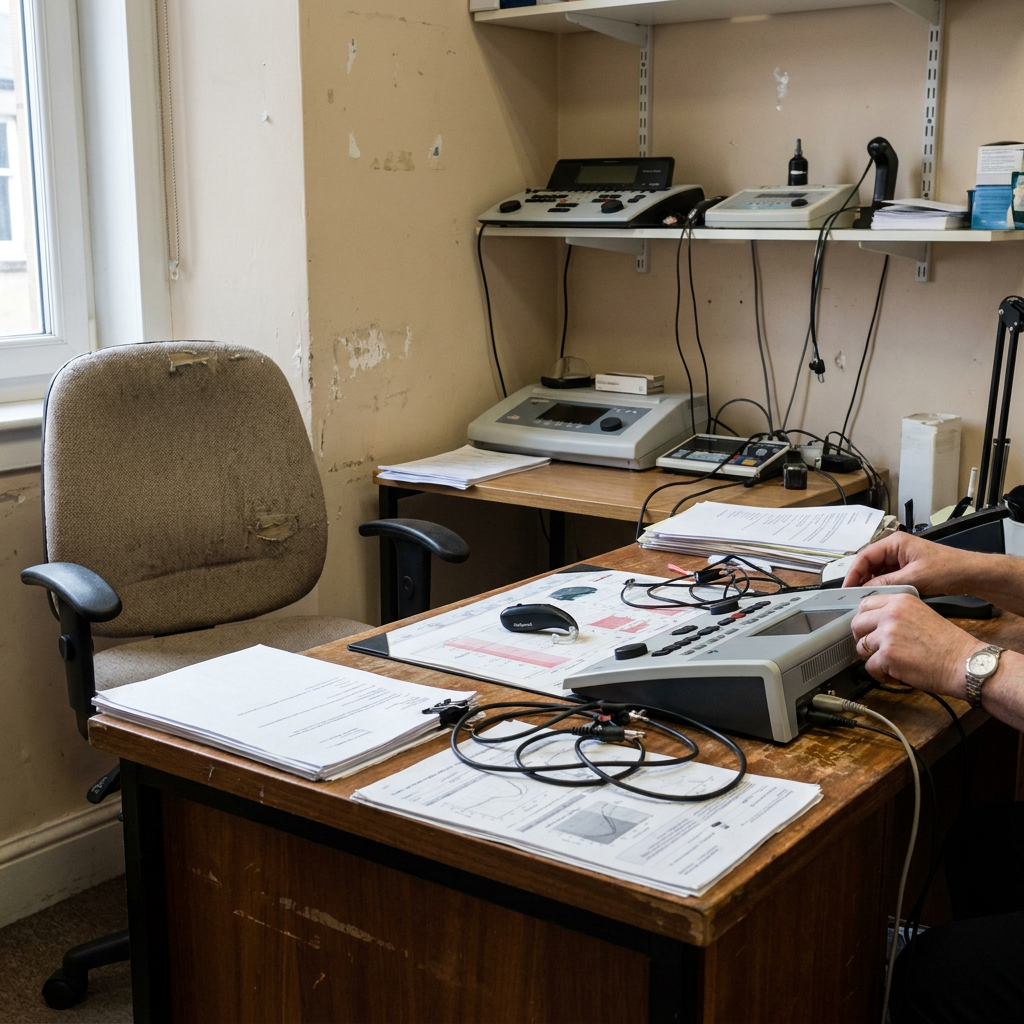
The main part of the test happens in a quiet room. Your parent wears headphones and presses a button each time they hear a tone. The tones get softer and change pitch. There are no wrong answers. The audiologist is mapping exactly which sounds reach the ear clearly and which do not.
Afterwards, the results are shown on a chart. The audiologist explains what the numbers mean in plain language. If hearing aids would help, they discuss options then. No one is pressured into buying anything on the day. Find out more about what a full test involves.
Why going along makes a real difference
You probably hear things your parent misses. You know when they ask the same question twice, or when they stop joining in at family meals because following the conversation has become exhausting. The audiologist needs that context.
Sitting in the room lets you confirm whether the description matches daily life. It also means you hear the explanation of the results at the same time. Two people absorbing information remember more than one, especially when the subject is unfamiliar.
Your presence can reduce anxiety. Clinics are strange environments. Having a familiar face nearby makes the whole process calmer. Some parents perform differently on tests when they feel relaxed, which gives the audiologist more accurate readings.
If mobility is an issue, you can handle doors, steps, and seating while your parent focuses on the appointment itself. Let the clinic know in advance if you need a ground-floor room or extra time between sections of the test.
What to mention when you enquire
The practice plans appointments based on the information provided beforehand. Include anything that affects how the visit should run.
If your parent uses a walking frame or wheelchair, say so. The clinic can arrange a room with enough space and ensure there are no steps to manage. Mention if they tire easily so the audiologist can pace the session or schedule breaks.
Memory conditions matter too. If your parent sometimes forgets instructions or becomes confused in new places, the audiologist will adjust how they explain each stage. They might use simpler language, demonstrate actions physically, or rely more heavily on you to relay information afterwards.
Note whether anyone else will attend. If you are coming along, or if a carer will be present, the practice knows to expect more than one person and can prepare accordingly. None of this is judged. It simply allows the specialist to run a smooth appointment tailored to the person sitting in front of them.
Signs your parent might need a hearing test
Hearing loss in older adults often develops slowly. Your parent may not notice the change, but the people around them see the adjustments made to compensate.
- 1
Television turned up high
The volume sits noticeably higher than it used to. Other people in the room find it uncomfortably loud, but your parent seems fine with it.
- 2
Asking people to repeat things
Questions like "what did you say?" happen constantly. They might answer something unrelated because they guessed the topic rather than heard the words.

- 3
Withdrawing from group chats
Dinners or visits with several people talking become tiring. Your parent stays quiet or leaves the room earlier than they once did.

- 4
Missing the doorbell or phone
Sounds that used to prompt an immediate response now go unnoticed. You might see them startle when you tap their shoulder instead.

Questions about arranging a test
Can I book a hearing test for my parent without them knowing?
You can make the enquiry, but the audiologist needs your parent's consent to proceed. Testing someone who does not want to be there produces unreliable results and causes unnecessary stress. Talk it through first.
Will the audiologist come to our home instead?
Some specialists offer home visits, depending on where you live in Glasgow and the equipment required. Mention this preference when you enquire so the practice can confirm whether it is possible.
How much does a hearing test cost?
Fees vary between practices. Ask when you enquire. Many clinics provide the test itself without charge if there is a realistic chance hearing aids will follow, but always confirm this beforehand.
My parent has dementia. Can they still be tested?
Yes. Audiologists adapt the process for people with memory conditions. They might shorten the session, use visual cues, or rely on objective measurements that do not require pressing a button. Tell the practice about the diagnosis early.
What if the problem is just ear wax?
That is entirely possible. The audiologist checks the ear canal first. If wax is blocking sound, they may recommend microsuction or another removal method before running a full test.
Arrange a hearing test for your parent
Send the details of what you have noticed and any mobility or memory considerations. The practice will respond with available times. Enquiring does not commit you to an appointment.
- No obligation to book
- Accessible rooms available
- Bring someone along