Hearing aids
Hearing Aids in Glasgow
Find out which hearing aid styles a specialist might suggest, why a full test always comes first, how the audiologist programmes a device to your measured loss, and what follow-up tuning usually involves.

Hearing care available across Glasgow
A specialist handles each part of your hearing care separately. You can ask about any one of these services or arrange them together.
-
Hearing tests
A specialist audiologist measures how well you hear across different pitches and volumes using calibrated equipment in a quiet room. The results show exactly where your hearing has changed and by how much. You receive a clear written summary of the findings so you know what is happening before anyone discusses devices or treatment options.

-
Audiologist appointments
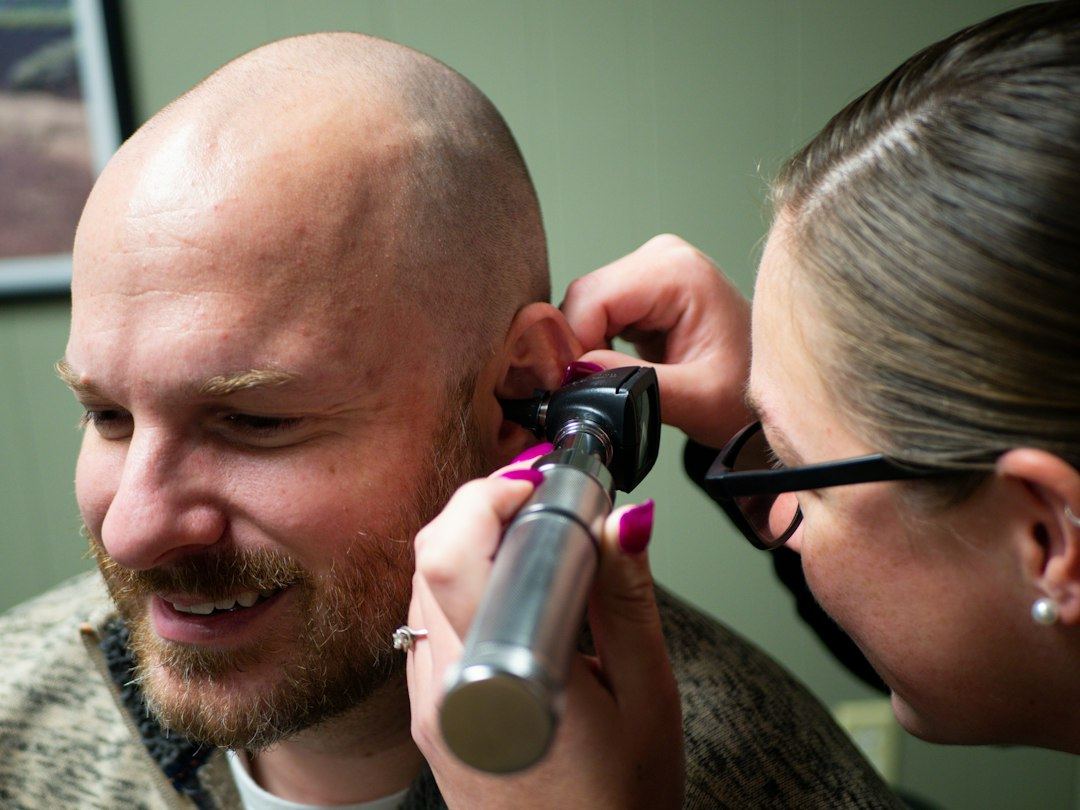
An audiologist reviews your test results with you and talks through what they mean for daily life. They examine your ears, check for wax or other blockages, and discuss whether a hearing aid would help. If it would, they explain the styles that suit your particular pattern of hearing loss and answer questions before you decide anything.
-
Ear wax removal
When wax blocks the ear canal, sounds become muffled and a hearing aid cannot work properly. A specialist examines the ear first, then uses microsuction or irrigation to clear the wax safely. The procedure takes place in a clinic setting. Once the canal is clear, your hearing often improves immediately without needing any device at all.
Hearing aid styles
Choosing a hearing aid style
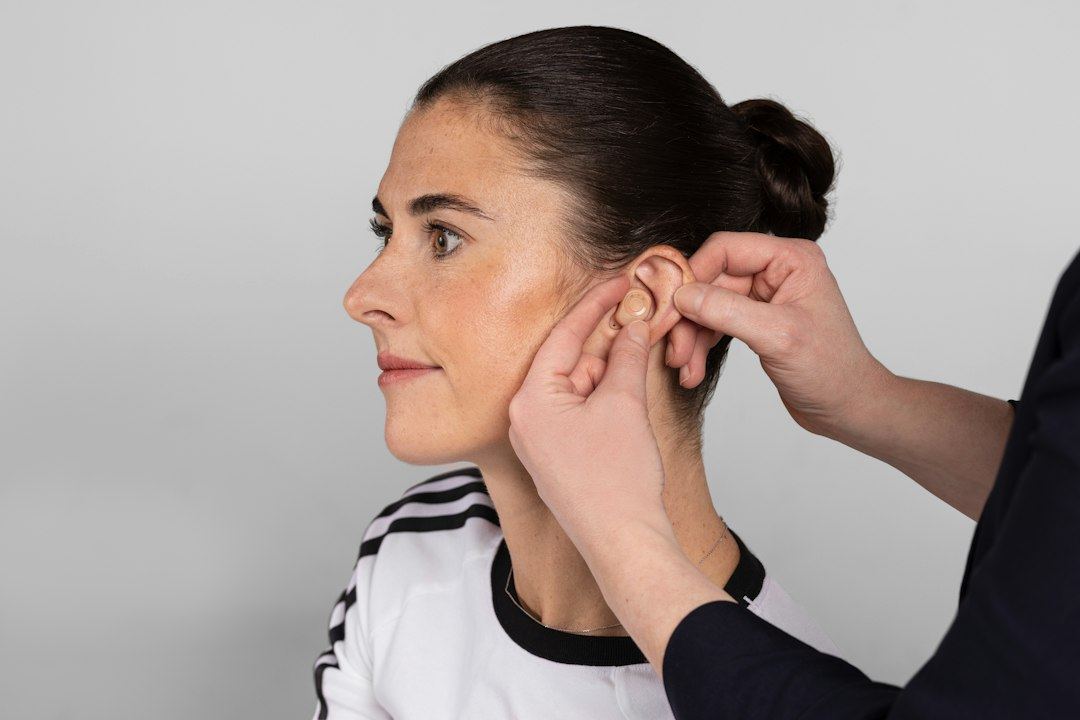
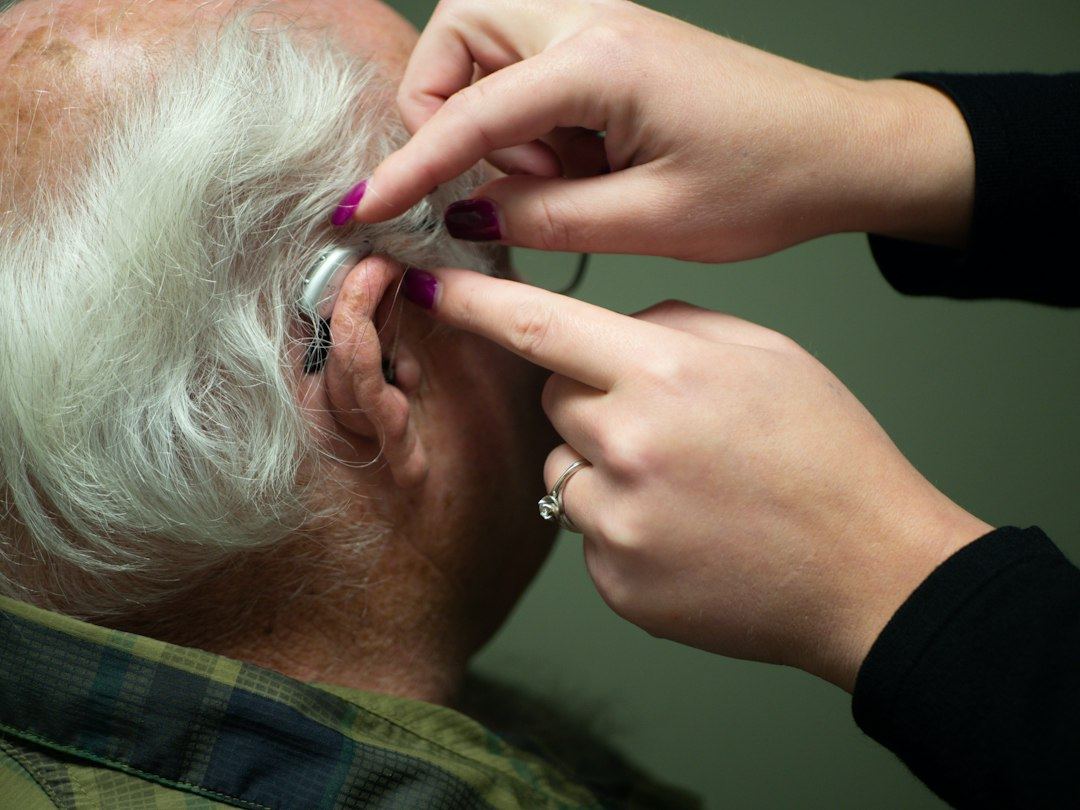
The shape of your ear canal and the frequencies you struggle with determine which style fits best.
- Behind the ear Sits behind the ear with a tube carrying sound into the canal.
- Receiver in canal Smaller than behind the ear, with the speaker placed inside the canal.
- In the ear Fills the outer bowl of the ear, custom moulded to fit.
How the fitting process works
You only need to describe what you are noticing. The specialist handles the measurements, programming and adjustments over a series of appointments.
-
Step 1
Have a full hearing test
The audiologist measures your hearing thresholds across several frequencies in a sound-treated room. This produces an audiogram showing exactly which pitches you miss.
-
Step 2
Discuss suitable styles
Based on the audiogram, the audiologist explains which hearing aid shapes and power levels match your loss. You choose a style together.
-
Step 3
Get the aid programmed
The audiologist loads your specific audiogram data into the device software and adjusts amplification so each frequency reaches the level you need.
-
Step 4
Return for fine-tuning
After wearing the aid in real environments, you report back. The audiologist adjusts settings for comfort, reducing feedback or boosting speech clarity.
Checks before recommending an aid
An audiologist follows a set sequence because skipping steps leads to the wrong device or missed problems that amplification alone cannot fix.
-
Visual ear examination
The audiologist looks inside the ear canal with an otoscope to spot wax, infection or structural issues that must be addressed before fitting any aid.
-
Pure tone audiometry
You listen to tones at different pitches and volumes through headphones. The audiologist records the softest sound you detect at each frequency to map your loss.
-
Speech discrimination testing
You repeat words played at various volumes. This shows how well your brain processes speech, not just whether you detect sound, guiding the programming approach.
-
Tympanometry
A probe measures how your eardrum moves under changing air pressure. It identifies middle ear problems like fluid or stiffness that affect which aid type works.
If results conflict, the audiologist repeats the relevant test or refers you for medical assessment.
Questions about getting hearing aids
Prices, trial periods and exact specifications depend on the practice you attend. Ask directly during your appointment.
- Do I have to buy on the day?
- No. Take the information home. You are free to get quotations from other practices before deciding.
- Are trial periods available?
- Trial arrangements vary between practices. The audiologist explains their terms before you commit to anything.
- How much do hearing aids cost?
- Prices are set by each individual practice. Ask for a written breakdown during your consultation.
- Will I need follow-up visits?
- Most people return once or twice so the audiologist can adjust settings based on real-world listening experience.
Ask about hearing aids in Glasgow
Send your details and the type of help you need. A specialist practice receives the enquiry and contacts you to arrange an appointment. Nothing commits you to buying a device.
- No obligation to buy
- Free to compare quotes
- Specialist handles the rest