Blocked ear advice
Why your blocked ear will not clear on its own
A muffled ear that refuses to clear can mean trapped wax, but it can also point to something else entirely. Find out why cotton buds make things worse and what a specialist looks for during an examination.
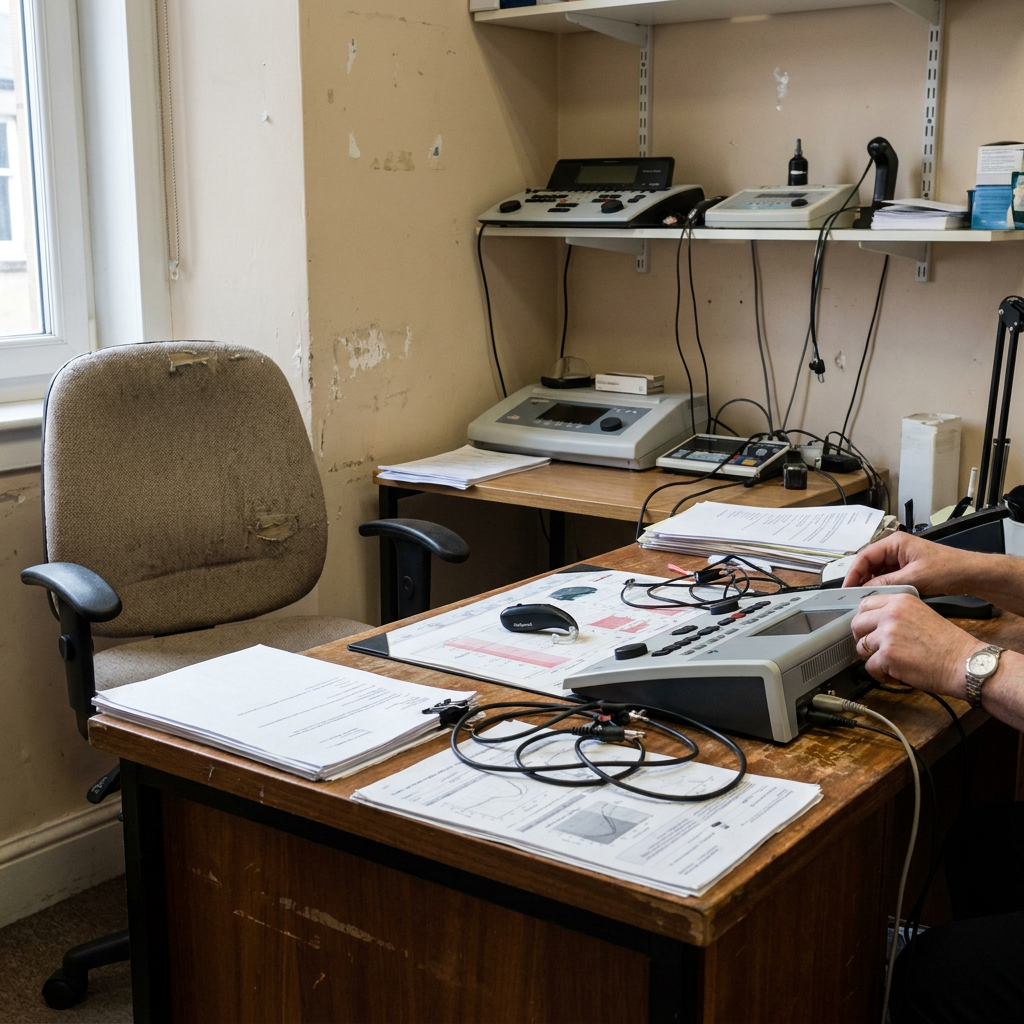
What a full, muffled ear usually means
When sound suddenly seems distant or your own voice echoes inside your head, the most common cause is earwax that has moved too far down the canal. Wax is produced continuously to protect the skin inside the ear. Most of the time it works its way out naturally while you chew or talk. Sometimes it dries, hardens and forms a plug that blocks the passage completely.
A blocked feeling can also come from fluid behind the eardrum after a cold, a sudden change in air pressure, or inflammation in the canal itself. Because the symptoms overlap so closely, guessing the cause at home rarely works. The only reliable way to know what is happening is for someone trained in ear care to look inside with the right equipment.
Why cotton buds and home syringing backfire
Reaching for a cotton bud feels like the obvious response to a blocked ear. But the canal is narrow and curved. Pushing anything into it tends to drive wax deeper against the eardrum rather than lifting it out. What started as a partial blockage often becomes a solid wall of compressed wax. Home syringing kits carry their own risks. Water forced into the canal at the wrong angle or pressure can damage the delicate eardrum, especially if there is already an undetected perforation. Pharmacy drops soften some types of wax, but they leave harder impactions untouched. So the ear stays blocked and the frustration builds.
What the specialist sees during an examination
An audiologist uses a small lighted instrument called an otoscope to examine the ear canal and eardrum directly. This takes only a few seconds and shows exactly where the problem lies. They can tell whether the blockage is soft wax, dry hardened debris, a foreign body, or fluid sitting behind the drum.
If the canal is inflamed or infected, the specialist will note that too. Redness, swelling or discharge changes the plan entirely. In those cases, removing wax before treating the infection would cause more harm. The examination also rules out problems that have nothing to do with wax at all, such as a perforated eardrum or sudden sensorineural hearing loss, which needs urgent medical attention rather than cleaning.
When microsuction clears the blockage safely
If the examination confirms a wax impaction and the canal is healthy, microsuction is usually the method of choice. The specialist uses a fine sterile tube connected to a gentle medical vacuum to lift the wax out piece by piece. No water enters the ear, so there is no risk of trapping moisture or forcing pressure against the drum.
The procedure is done under direct vision through a microscope or loupes, meaning the specialist watches every movement. It typically takes between ten and twenty minutes per ear. You might hear a low rushing noise during the suction, but the process is generally painless. Once the canal is clear, hearing returns immediately if wax was the sole cause.
When the cause lies deeper than wax
Sometimes the ear is clear but the blocked sensation remains. Fluid trapped in the middle space behind the eardrum produces a similar muffled feeling, often following a heavy cold or sinus infection. This type of blockage does not respond to cleaning because the obstruction sits beyond the reach of any instrument placed in the outer canal.
Sudden hearing loss without any visible wax or fluid is a separate emergency. It requires prompt assessment by a doctor, ideally within hours rather than days. An audiologist who finds a clear canal alongside unexplained hearing changes will advise you to seek that medical route straight away. Knowing the difference between a wax plug and something deeper is the whole reason the examination comes first.
My ear feels blocked and nothing shifts it
A persistent blocked feeling happens when something obstructs the ear canal or prevents the eardrum from vibrating freely. Wax is the most frequent culprit, but fluid, swelling or pressure changes produce identical sensations.
- 1
Muffled or distant hearing
Sounds seem wrapped in cotton wool. Conversations lose clarity, particularly higher-pitched voices. This often points to wax packed tightly against the drum.

- 2
Hearing your own voice loudly
Your voice booms or echoes inside your head when you speak. Known as the occlusion effect, it suggests the canal is partially or fully sealed.

- 3
A feeling of pressure or fullness
The ear feels stuffed, similar to descending in an aeroplane. Swallowing or yawning brings no relief, which may indicate trapped wax or middle ear fluid.

- 4
Ringing or buzzing noises
A constant hum or high pitch appears alongside the blockage. Tinnitus frequently accompanies impacted wax pressing on sensitive structures near the eardrum.

Questions about a blocked ear
- Will olive oil drops clear it?
- Oil softens fresh wax over several days, but it cannot dissolve a hard, deep impaction. It may temporarily increase the blocked feeling as the wax swells.
- Is microsuction painful?
- Most people feel only mild pressure and hear a suction noise. The specialist stops immediately if you report any discomfort.
- How quickly can I be seen?
- A blocked ear that will not clear needs a proper look. The audiologists who take these enquiries work from clinics across Glasgow, so you can find out quickly whether the appointment you need is available near you.
- Could it be an infection?
- Pain, warmth, discharge or fever alongside a blocked feeling suggests infection rather than simple wax. A specialist examines the canal to confirm.
Get your blocked ear examined
Send your details and an audiologist will review them to arrange an examination. There is no obligation to proceed with treatment until you understand the cause and the options.
- No obligation to proceed
- Examined by an audiologist
- Clinics across Glasgow