Ask for an appointment
Audiologist Glasgow
See an audiologist in Glasgow
An audiologist examines your hearing and ear health in ways a GP receptionist or chemist cannot. Your enquiry goes to one independent audiology practice covering your part of Glasgow, and they contact you directly to arrange an appointment.
- Independent local practice
- Full written report included
- Direct referral if needed
What they deal with
Complaints an audiologist handles

Gradual hearing loss
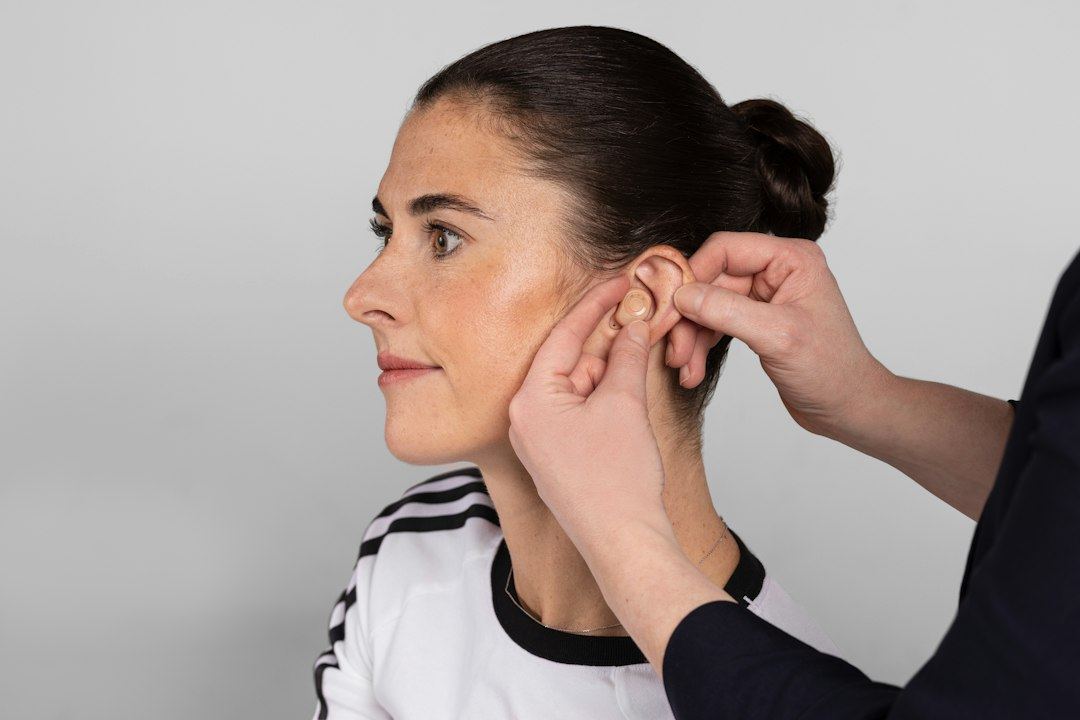
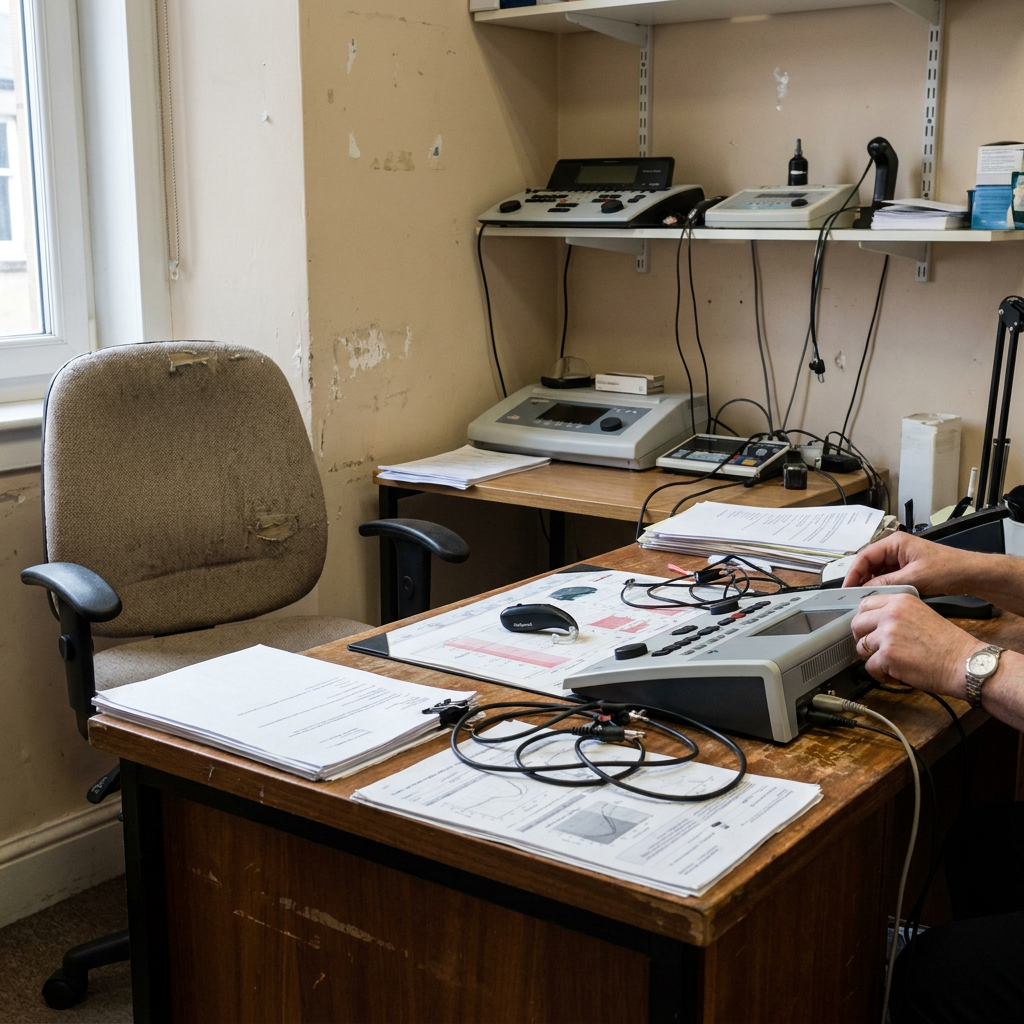
Sounds fade over months or years. An audiologist measures exactly which frequencies have dropped and by how much, using calibrated tones in a treated room.

Tinnitus
Ringing, buzzing or hissing that does not come from outside. The specialist checks whether it links to hearing changes and discusses management options.
Impacted ear wax
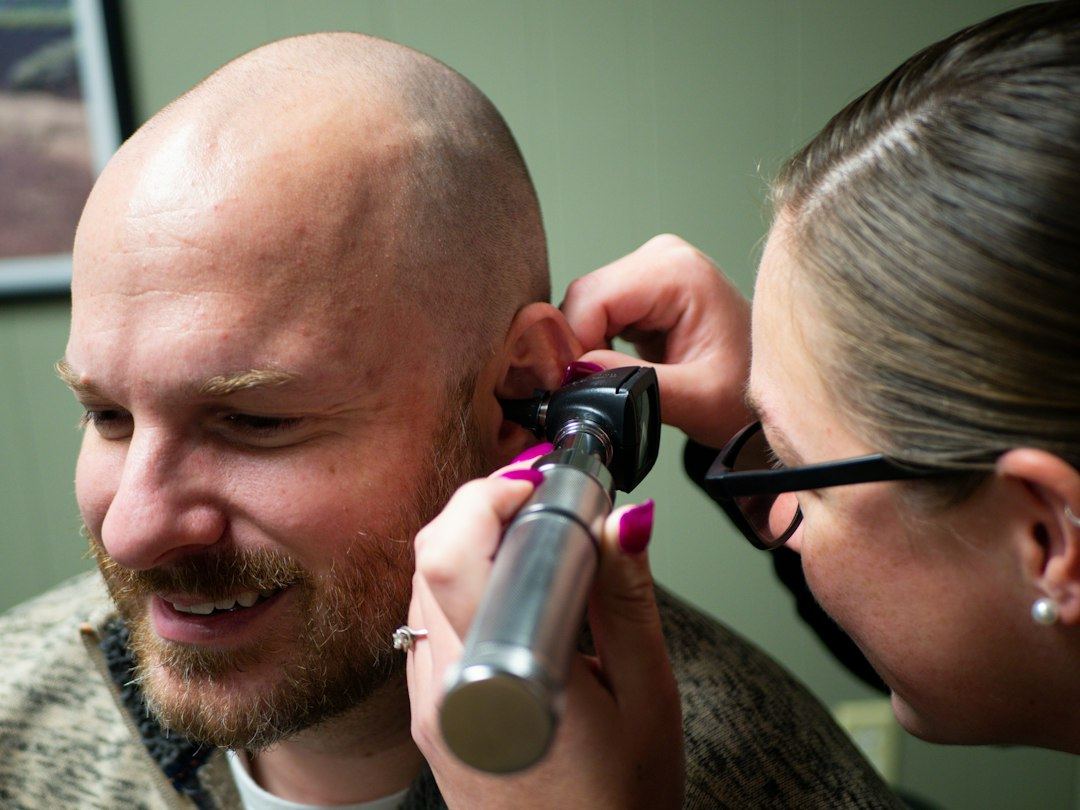
Wax packed tight against the drum muffles sound and causes pressure. Removal requires magnification and microsuction tools a pharmacy does not carry.
Balance problems
Dizziness or unsteadiness sometimes originates in the inner ear. Specific tests separate vestibular issues from other causes before any treatment begins.
When a chemist or GP is not enough
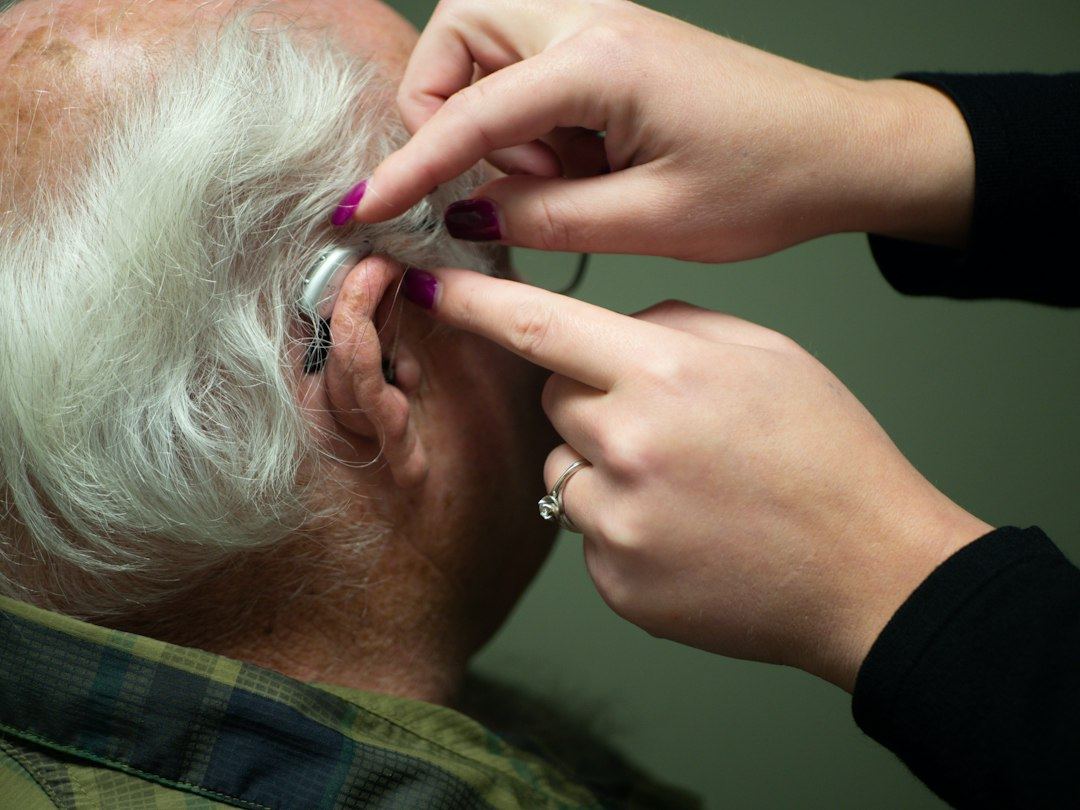
Pharmacy drops soften wax but cannot see behind it. A GP can look in your ear but lacks the booth and audiometer needed to map your hearing. Some signs mean you need the equipment only an audiology clinic holds.
- 1
Asking people to repeat themselves
You catch the first word but lose the rest, especially in groups. This often points to a frequency-specific drop that needs charting.
- 2
One ear worse than the other
Sound feels lopsided or phone calls only work on one side. Asymmetry always warrants a full diagnostic check rather than guesswork.
- 3
Persistent ringing after noise
Buzzing that stays for days after a concert or worksite. It may settle, but prolonged tinnitus needs measurement against your hearing thresholds.

- 4
Pressure that will not clear
A blocked feeling that swallowing and yawning do not fix. Hardened wax or fluid behind the drum both require instruments to confirm.
Your part and theirs
Most of the work happens inside the clinic. You describe what you notice, sit for the tests, and leave with answers. The audiologist handles every measurement, interpretation and piece of paperwork.
The audiologist
- Examine the ear canal and eardrum under magnification
- Run pure-tone and speech discrimination tests across all frequencies
- Interpret the audiogram and explain what the numbers mean for daily life
- Write a clinical report detailing findings and recommended next steps
- Refer to an ear, nose and throat consultant if results suggest a medical cause
You
- Describe what you hear, what you miss and when it started
- Sit still while tones play through headphones in a sound-treated booth
- Read through the printed report and ask about anything unclear
What you leave with
A printed audiogram plotting your hearing thresholds at each tested frequency, alongside a plain-language summary of what those numbers mean for conversations, television volume and telephone calls.
Written recommendations stating whether hearing aids would help, whether wax removal should happen first, or whether the results point toward a medical issue requiring a hospital referral.
If a referral is necessary, a letter addressed to an ear, nose and throat specialist containing the test data so the consultant does not need to repeat the baseline measurements.
Which situation sounds like yours
The real question is how quickly to act. Only an examination inside a sound-treated booth establishes what is actually happening. These pointers help you decide whether to book this week or keep watching.
-
Hearing dropped suddenly in one or both earsToday
Sudden sensorineural loss is time-sensitive. Steroid treatment, if indicated, works best within the first few days.
What to do Enquire immediately and mention the sudden onset so the practice prioritises you.
-
Ringing started after loud noise and has not stoppedSoon
Persistent tinnitus following exposure can accompany hidden threshold shifts that only show up on a full audiogram.
What to do Book an appointment within the next fortnight to have your levels mapped.
-
Words disappear in busy rooms but quiet chats are fineSoon
Difficulty separating speech from background noise often reflects early high-frequency loss that a basic screening misses.
What to do Arrange a diagnostic test so the audiologist can measure speech discrimination scores.
-
Ear feels stuffed and popping does not clear itWorth watching
This could be compacted wax or middle-ear fluid. Both are visible under otoscopy but behave differently.
What to do If it lasts more than two weeks, ask for an examination rather than buying more drops.
None of this diagnoses your ears. Sudden hearing loss or symptoms worsening over hours means contacting a clinic today rather than waiting.
Speak to an audiologist covering your part of Glasgow
Your enquiry goes straight to an independent practice. They call you to arrange a time that fits.