About us
How Glasgow Hearing Aids works
Glasgow Hearing Aids takes enquiries about hearing tests, ear wax removal and hearing aids across the city. Separate specialist clinics carry out every appointment. Here is how the arrangement works and what you can expect when you get in touch.
What this site does
Glasgow Hearing Aids exists to take enquiries from people who suspect something has changed with their hearing. You might have noticed the television volume creeping up, or that conversations in busy pubs leave you guessing at half the words. Maybe one ear feels blocked and sounds muffled, or a ringing noise will not settle.
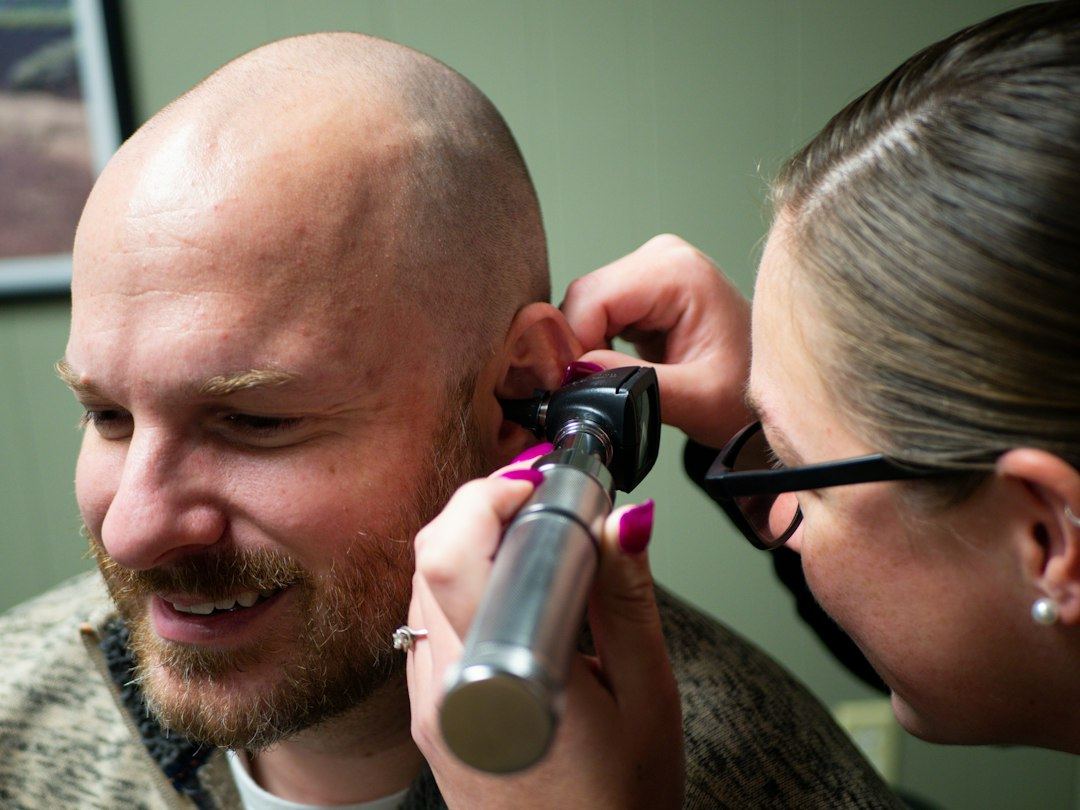
When you send an enquiry here, it goes to a separate specialist clinic that handles appointments in your part of Glasgow. The clinics are independent businesses. They run the hearing tests, perform microsuction for ear wax, fit hearing aids and provide follow-up care. This site does none of those things directly. It passes your details on so the right clinic can contact you.
Every clinic that receives enquiries through this site operates its own premises, employs its own audiologists and sets its own fees. You deal with them for the appointment itself and for anything that happens afterwards.
Where appointments happen
The clinics that receive enquiries cover Glasgow and the surrounding areas. Some operate in the city centre. Others hold appointments in Bearsden, Bishopbriggs, Giffnock and Rutherglen. When you describe where you live, the enquiry goes to a clinic close enough to reach without a long journey.
This matters because hearing care usually involves more than one visit. A test might lead to a fitting, which leads to a review a few weeks later. Ear wax removal sometimes needs a second session if the blockage was stubborn. Having a clinic nearby makes it easier to return when needed, rather than putting off a follow-up because the trip is too much trouble.
Each location runs independently. The audiologist in Rutherglen is not the same person as the one in Bearsden. But the enquiry process is the same wherever you are: you describe the problem, and a local clinic picks it up.
Who carries out the work
The people who examine your ears, run the hearing tests and fit the devices work for the individual clinics. Each one holds a recognised professional qualification: either registration with the Health and Care Professions Council as an audiologist, or membership of a body such as the British Society of Hearing Aid Dispensers or the Association of Independent Hearing Healthcare Professionals. This site does not direct their clinical decisions or set their treatment plans.
When a clinic contacts you after receiving an enquiry, they ask questions about your symptoms to decide what kind of appointment you need. If your ears ring or buzz, they might suggest a full hearing test. If you only want wax removed, they book you for microsuction. The clinical judgement belongs entirely to them.
You pay the clinic directly for any service they provide. Their prices, cancellation policies and opening hours are theirs to set. If you have a complaint about an appointment, you raise it with the clinic that saw you. Glasgow Hearing Aids does not intervene in clinical matters, since the work is done by separate firms.
Why the separation exists
Running a website that collects enquiries is a different job from running a hearing clinic. The people behind this site handle the technology, the writing and the routing of messages. The clinics handle the medicine, the equipment and the patients.
Keeping these roles apart means each side does what it is set up to do. The clinics spend their time seeing people rather than maintaining web pages. The site focuses on making the enquiry process clear, so you know exactly what happens when you fill in a form.
It also means you are dealing with a local business for your actual care. The clinic that calls you is the one you will visit. You can ask them about their qualifications, their equipment and their fees before you commit to anything. That conversation happens between you and them, without a middleman interpreting the clinical details.
What happens after you enquire
Send a short description of what you have noticed. The rest happens over the phone, between you and the clinic that covers your area.
-
As soon as you send it
Your enquiry arrives
The details you provide go to a clinic near you. They read your description of the problem and decide which type of appointment fits.
-
Usually within a day
The clinic calls you
Someone from the clinic phones to discuss your symptoms, answer questions and arrange a date and time that suits you.
-
On the agreed date
You attend the appointment
You go to the clinic for your test, wax removal or fitting. From this point on, your care is handled entirely by them.
What you receive from the clinic
After an appointment, the audiologist provides a written record of what they found and what they recommend. These documents belong to you.
Test results
A written record of your hearing thresholds across different frequencies, showing where your hearing sits compared to normal ranges.
Care plan
The audiologist's recommendation for next steps, whether that means a hearing aid fitting, further monitoring or no action at all.
Wax removal report
A note confirming the procedure took place, describing what was found and advising whether a follow-up visit is necessary.
Get in touch about your hearing
Send your details and a brief description of the problem. A local clinic will call you to arrange an appointment. There is no obligation to proceed.
- No obligation to book
- Local clinics only
- Direct communication